• Upgrade your defenses, not your anxiety. Let’s Talk! Contact Us
Audio Video Forensics Analysis: How Experts Examine Recordings

Audio Video Forensics Analysis: How Experts Examine Recordings

Introduction: 

Audio and video recordings are a more common component of many industries today in the area of evidence, whether for law enforcement, corporate investigations, or personal disputes. Audio and video recordings can provide the required information to define facts, about events or conversations that may otherwise never be fully known. With the advancements of digital editing software in today’s environment, the challenge is that anything we hear, or see, on an audio or video audio recording could be suspectable to legibility. This opens the scope for audio-video analysis in the inquiry of audio-video digital forensic analysis. 

Digital forensics consists of the methods to recover, analyse, and preserve data from digital devices to establish facts, while providing evidence, for inquiries. For audio and video evidence, forensic specialists use methods to verify, identify and authenticate a recording and verify whether the recording has been affected, compromised, or otherwise, manipulated. Authenticity for audio-video evidence, is important as it preserves the integrity of the evidence, and that it will be presented to the court, or any other relevant determination as legitimate evidence. 

The process of audio video analysis involves verifying the authenticity, completeness, and editability of a sound or video recordings. Audio video analysis is an important component of digital forensics, which utilizes digital evidence to find the truth.  

In its simplest form, audio video analysis, assesses whether alterations were made to any audio or video file. For example, someone may alter a conversation by removing conversation, changing a voice, or removing frames of a video file. Audio video analysis can detect those alterations for authenticity purposes. 

Audio video analysis is typically used for: 

  • Legal investigations, to support or oppose evidence in court.  

  • Workplace issues or disputes to verify claims related to meetings or interviews.  

  • Digital video footage and recorded conversations may contain key content that reveals what happened.  

  • Public concern (online) or verification of viral videos, audio clips or films for issues related to fake or misleading content.  

Audio video analysis helps provide, contextually, professional, legal and personal decisions-based sound and video evidence. 

Why Audio and Video Evidence needs to be Verified: 

Audio and video files are often used as important evidence when investigating a situation. These files can affect decisions being made in courtrooms, workplaces, insurance claims, and even public perception. But what if the evidence is not valid? What if audio is edited, taken out of context, or completely fake? 

This is why audio and video verification are so important. 

When the audio or video is used as evidence to prove what someone did or said, accuracy and authenticity are paramount. A single frame of video or a few seconds of audio can easily mislead people by creating another impression, even if completely accidental. 

Here are some reasons why verification is critical for audio and video recordings: 

  • Helps protect the truth: It will ensure that only verified information is being relied upon in any decision-making processes. 

  • Prevents manipulations: It stops people from manipulating media by letting them twist facts or outright lie. 

  • Provides fair outcomes: Verified evidence leads to fairer and more reliable results whether in a legal process, or corporate dispute. 

There is a potential for serious consequences if fake or manipulated audio and video files are accepted as fact without any parsing. Audio video verification can minimize that risk by ensuring the evidence is accurate, valid, and reliable. 
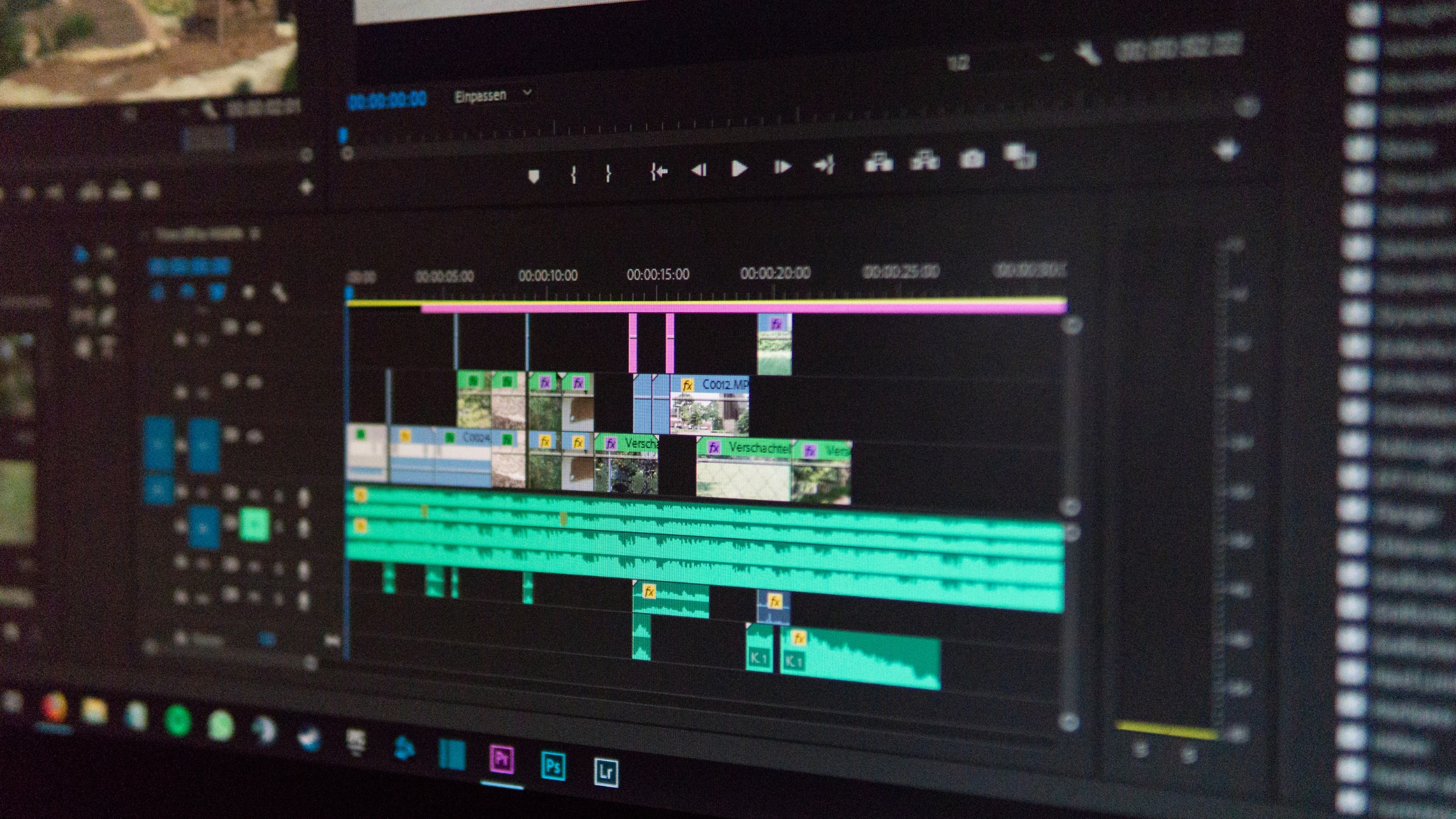

Key Things Experts Look for During Analysis 

When forensics experts examine audio or video files, they systematically investigate any changes to the recording to determine if it is an original or altered recording. Although they employ advanced equipment, the purpose is quite simple: to determine if there are any indications that something may not be right. 

Here are some of the main things they look for: 

1. Unusual Cuts or Gaps 

Experts check for parts of a video or audio file that seem to be missing or suddenly jump. These gaps can be a sign that the recording was edited to hide something. Any sudden transitions between segments may indicate a deliberate attempt to remove content or manipulate the timeline of the recording. The presence of these gaps often raises questions about the authenticity of the material. 

2. Changes in Sound or Voice 

They listen closely for differences in tone, background noise, or voice patterns. If someone’s voice changes suddenly, or if a sound doesn’t match the rest of the recording, it might mean the audio was changed or pieced together. Inconsistent audio quality or the unnatural alteration of voices may suggest the recording has been tampered with, and the expert will analyse the sound to verify its continuity and authenticity. 

3. Video Frame Problems 

A video is made up of many still images called frames, and several frames are shown every second. If some of these frames are missing or out of order, it may show the video was trimmed or altered. Experts will also look for signs of video “stitching,” where clips have been artificially combined, causing noticeable jumps or disruptions in motion. Frame analysis helps reveal whether the video was cut, reordered, or artificially inserted. 

4. Inconsistent Backgrounds or Lighting 

If the lighting, shadows, or background noise changes too quickly, it could mean that parts of the recording were added from a different time or place. This might include differences in the quality of lighting or slight shifts in the environment that don’t match the rest of the video. Such inconsistencies can point to editing or the insertion of new elements into the recording, compromising its authenticity. 

5. File Information (Metadata) 

Every digital recording comes with hidden information—like when and where it was made. Audio forensic experts check this data to confirm if the file is really from the time and device it claims to be. Metadata analysis can also reveal if the file was modified after its initial creation, which is crucial for validating the authenticity of the recording. In some cases, the metadata might be altered to conceal edits, so forensic experts examine this closely for any inconsistencies. 

The verifications help demonstrate that nothing has been altered, added to, or removed from the original recording. When audio video analysis is done right the answers are clear and it is easy for people to have confidence in what they are seeing and hearing. 

Process of Audio Video Analysis: 

Audio Video Analysis in digital forensics is generally structured in a manner that provides for thorough, accurate, and professional analysis of the evidence. While the mechanics that are involved can be technical, here is a simple and more involved description of what typically happens: 

1. Receiving the Original File 

The process begins with collecting the original version of the audio or video file. This is important because copies or compressed versions can lose quality or contain added noise. The original file holds the most accurate data, which helps experts detect any signs of editing or tampering. If the original isn’t available, the highest-quality version is used. 

2. Securing and Preserving the Evidence 

Once the file is received, it is stored in a secure environment to prevent any changes, intentional or accidental. Experts maintain a detailed record of how the evidence is handled, including who accessed it and when. This is called a chain of custody, and it ensures that the evidence can be trusted in legal or official proceedings. 

3. Step-by-Step Examination 

The forensic team closely inspects the audio or video. For video, this might include checking each frame, studying movements, lighting, and sound consistency. For audio, experts listen for any unusual gaps, changes in tone, or background noise that doesn’t match the rest of the file. They may use specialized software to slow down the footage, isolate sounds, or zoom into specific visual elements. 

4. Comparing with Other Information 

In many cases, the analysis involves comparing the recording with other sources. For example: 

  • Matching a voice with a known speaker. 

  • Checking timestamps against call logs or security camera schedules. 

  • Comparing video footage with still images or public data to confirm location and time. 

These comparisons help confirm whether the audio or video fits the claimed context, such as a specific date, place, or person. 

5. Creating a Clear, Court-Ready Report 

After the analysis is complete, the expert prepares a written report that explains their findings. The report covers: 

  • Whether the recording was altered or remains intact. 

  • What signs of tampering (if any) were found. 

  • A summary of the methods used to reach these conclusions. 

This report is written plainly and without technical terminology so that lawyers, investigators, company executives, or even perhaps a judge will comprehend the results. The expert, if needed, could testify in court to explain their findings in person. 

Why Choose a Certified Forensic Lab Like Proaxis Solutions 

The stakes in reviewing sensitive audio/video evidence are exceptionally high. Whether it's a criminal case, corporate dispute, or personal situation, there is a heavy weight placed on integrity in all digital evidence. Unfortunately, not all forensic labs can manage sensitive audio/video evidence with the precision, care, and professionalism it demands at this level. When you trust a certified forensic lab such as Proaxis Solutions, you can be certain your evidence is cared for with the highest level of accuracy, transparency, and trust. In cases or situations where the truth matters, arrive at the foundation of truth with Proaxis Solutions, be a trusted partner. 

Here’s why working with an expert forensic team like ours is essential for the success of your case: 

1. Proven Accuracy and Reliability 

At Proaxis Solutions we recognize that any digital evidence can only be examined to the degree of precision and consistency that is expected. Therefore, we utilize forensically sound, scientifically validated court-approved methods that have been tested and accepted by the legal and law enforcement community. 

Our audio video forensic experts adhere to the accepted standards, and they will examine every one of your audio/video recordings for signs of manipulation, tampering or inconsistencies. We employ significantly advanced algorithms and provide various forensic techniques, such as digital fingerprints, waveform analysis, metadata analysis and frame-by-frame analysis. Using these methods, we are able to find the tiniest of changes that will demonstrate the results we provide are not only accurate but reliable. 

It does not matter whether your matter is a highly investigated legal dispute, workplace investigation or any other critical situation; you need findings that you can stand behind. The findings are based on methods that are, and we will stand behind our findings at any professional level. 

2. Confidential and Secure Handling 

Digital evidence can be very sensitive material, particularly with respect to any personal privacy interests, protection of corporate secrets, or legal issues involved. Proaxis Solutions will take every reasonable precaution regarding confidentiality and security throughout the forensics process. 

When your evidence is received and during the analysis and reporting stages, we adhere to strict protocols to protect and preserve your evidence from unauthorized or unintended access, tampering, or destruction. The data protocols we use to secure and preserve every piece of evidence include state-of-the-art encryption and a high level of security for file transfers and share with only those personnel designated with restricted access in the authorized access logs. 

To track every action taken with your evidence we have implemented and follow chain of custody procedures. The protocols track who accessed or handled the evidence file and document every stage of the forensics process so there will always be a clear and trustworthy record to refer to establish traceability for the evidence. If your case proceeds to litigation or court, you can feel confident presenting your evidence without suspicion of its authenticity. 

3. Clear, Court-Ready Reporting 

One of our strongest attributes is our ability to present forensic findings in a concise, thorough, and understandable format. We recognize that prosecutors, or within corporate boardroom settings, or in personal consultations, often require that forensic findings be delivered without excessive technical jargon. Our expert team produces court-ready reports written in plain language that can be understood by legal professionals, investigators and corporate leaders as well as judges or juries. 

Our reports are designed to present findings in a manner that makes it clear, so that any reader (regardless of any digital forensic background) can clearly understand the relevance of the analysis. Reports identify: 

  • If the recording was altered or was original. 

  • What alterations or lack of credibly was found (if any). 

  • How we confirmed the authenticity of the recording. 

  • Any recommendations or conclusions with respect to the findings. 

This specificity of presentation has helps you to present findings without hesitation in court, at judgement hearings, and internal investigations. 

4. Advanced Technology and Skilled Experts 

At our lab, we don't solely rely on outdated equipment or basic techniques. We leverage the latest forensic technology available to us to ensure that each analysis and report is as accurate and thorough as possible, including the highest-quality software for audio analysis, video frame analysis, voice verification, and metadata analysis, along with many additional forensic tools. 

However, technology alone is limited in its impact. What makes this all possible is the skilled forensic experts with experience and knowledge. Our team has undergone extensive training and experiences in the forensic field, working on a wide range of cases, including criminal matters, corporate fraud, personal disputes, and more. They are experienced at interpreting difficult pieces of digital evidence and know the appropriate techniques to use to account for subtle forms of manipulation. 

It is the combination of state-of-the-art forensic tools and highly trained forensic experts that ensures thorough review of your audio or video evidence to maintain accuracy, reliability, and truthfulness. 

5. Recognized by Legal and Professional Communities 

Our reputation for reliability, accuracy, and timeliness in forensic analysis has made Proaxis Solutions a name widely accepted in the legal, law enforcement and corporate arenas. 

Our work has played an essential part in a number of legal cases, corporate investigations and civil disputes, providing forensic results that have always been accurate and stood up in court. We have cultivated long-term working relationships with lawyers, insurance companies, attorneys, and investigators, and corporate personnel, all of whom acknowledge and trust our forensic services because of our accuracy and professionalism. 

We also strive to assure that we are constantly learning, tools are latest, and techniques are latest in digital forensics. By staying up with the latest technologies and methodologies, we continue to provide forensic services in the forefront of the industry. This level of commitment to staying on top of industry shifts provides highly reliable and accurate service to you, ensuring you can feel completely confident that Proaxis Solutions is fully equipped to handle any level of complex and challenging digital events and scenarios, successfully, accurately, and with a high level of digital expertise. 

Conclusion: 

In a world of digital media that can be changed, distorted, or misinterpreted, verifying audio or video is crucial in helping digital forensics determine what the truth is. When you have a potential lawsuit or other workplace issue, trying to assess a potential impact on you or your business reputation resulting from a public allegation, you can insure against a blunder that could weaken your case or position by verifying the recordings. 

Audio and video evidence should never be taken at face value. With solid forensic work, hidden edits, unverifiable claims, and digital manipulation can be discovered, leading lawyers, investigators, companies, and individuals to make informed decisions based on real, work product. 

Our sole purpose at Proaxis Solutions is to provide transparent, honest, and professional forensic services that will hold up to challenge. We can help you figure out the truth (one recording at a time) - whether you need audio authentication, video authentication, or video verification. 

If you have a recording, you need verified or analysed, don’t leave it to guesswork. Contact Proaxis Solutions for trusted forensic support. 

FAQs: 

1. What is Audio and Video Forensic Analysis? 

Answer: 
Audio and video forensic analysis is the process of verifying the authenticity and integrity of audio and video recordings. This involves identifying any alterations, manipulations, or edits that may have occurred in the media. Forensic experts use specialized techniques to detect inconsistencies in sound, video frames, metadata, or other technical aspects, ensuring that the evidence is legitimate and unaltered. 

Shape 

2. Why is Audio and Video Evidence Verification Important? 

Answer: 
Audio and video recordings are frequently used as critical evidence in legal, corporate, and personal disputes. Verifying their authenticity ensures that the evidence can be trusted in decision-making processes. Unverified media can lead to false conclusions or manipulations that affect court rulings, workplace disputes, insurance claims, and public perception. Proper verification prevents fraud, manipulation, and misinterpretation of evidence. 

Shape 

3. What Are the Common Signs That an Audio or Video Recording Has Been Altered? 

Answer: 
Experts typically look for several signs when analysing audio or video recordings: 

  • Unusual Cuts or Gaps: Missing segments or sudden jumps in the media. 

  • Changes in Sound or Voice: Inconsistent tone, background noise, or voice alterations. 

  • Frame Issues in Video: Missing or out-of-sequence frames that suggest editing. 

  • Inconsistent Backgrounds: Changes in lighting, shadows, or environmental sounds that indicate manipulation. 

  • Metadata Discrepancies: Irregularities in timestamps or file details. 

Shape 

4. How Do Forensic Experts Analyse Audio and Video Evidence? 

Answer: 
The forensic analysis process involves several stages: 

  1. Receiving and Securing Evidence: Collecting the original file and ensuring it is stored securely to prevent tampering. 

  1. Examination: For audio, experts listen for unusual sounds, gaps, or voice discrepancies. For video, they analyse frames, movement, lighting, and timestamps. 

  1. Comparative Analysis: Experts may compare the recording with other evidence like phone logs, security footage, or known samples to verify its context. 

  1. Report Preparation: A clear, detailed report is prepared to summarize the findings, including any alterations or tampering detected. 

Shape 

5. What Are the Tools and Software Used for Audio and Video Forensic Analysis? 

Answer: 
Audio and video forensic experts use specialized software and tools, including: 

  • Audio Analysis Tools: To detect manipulation in sound recordings, isolate voices, or identify background noise anomalies. 

  • Video Forensic Software: To analyse video frames, detect frame manipulation, and verify timestamp consistency. 

  • Metadata Analysis Tools: To examine hidden data embedded in the file, such as creation date, device information, and edits. 

  • Voice Recognition Systems: To compare voices and confirm the identity of speakers. 

These tools are combined with expert knowledge to ensure the analysis is thorough and accurate. 

Shape 

6. How Long Does an Audio or Video Forensic Analysis Take? 

Answer: 
The time required for forensic analysis depends on the complexity and length of the recording, as well as the specific requirements of the case. On average, a thorough analysis can take anywhere from a few days to a couple of weeks. If the recording is part of a high-stakes legal case or urgent corporate investigation, expedited services can often be arranged. 

Shape 

7. Can Audio and Video Forensic Analysis Be Used in Court? 

Answer: 
Yes, audio and video forensic analysis results can be used in court. Forensic experts provide clear, concise, and court-ready reports that explain their findings. If necessary, they can testify as expert witnesses to support the validity of their analysis. It is essential that the forensic analysis meets accepted standards to ensure its reliability in legal proceedings. 

Shape 

8. What is Chain of Custody and Why is It Important? 

Answer: 
Chain of custody refers to the documentation process that tracks the handling of evidence from the moment it is collected to when it is presented in court. Ensuring a proper chain of custody is crucial to maintain the integrity of the evidence. Any break in the chain can cast doubt on the authenticity of the recording and potentially render it inadmissible in court. 

Shape 

9. Can You Detect If a Video Has Been Deep-faked? 

Answer: 
Yes, forensic experts can detect deepfake videos by analysing inconsistencies in the video’s visual and audio elements. These may include unnatural facial movements, discrepancies in lighting and shadows, or audio mismatches. Advanced forensic techniques such as facial recognition, frame-by-frame analysis, and digital fingerprinting are used to identify manipulated content. 

Shape 

10. What Should I Do If I Suspect an Audio or Video Recording Has Been Altered? 

Answer: 
If you suspect that a recording has been altered, it’s important to have it analysed by a certified forensic expert as soon as possible. Do not make any changes to the file, as this could compromise its integrity. Reach out to a trusted forensic lab, like Proaxis Solutions, to ensure that the evidence is properly analysed and preserved for further action. 

Shape 

11. How Do You Ensure Confidentiality When Handling Sensitive Audio or Video Evidence? 

Answer: 
At Proaxis Solutions, we adhere to strict confidentiality protocols. All evidence is stored securely, and access is strictly controlled. We document every action taken with the evidence to ensure a transparent chain of custody. Our forensic analysts and staff are trained to handle sensitive information with the utmost care and professionalism, ensuring that your case remains private and secure. 

Shape 

12. How Much Does Audio and Video Forensic Analysis Cost? 

Answer: 
The cost of forensic analysis depends on various factors, such as the length of the recording, the complexity of the analysis, and the urgency of the case. We offer customized quotes based on the specific needs of your case. For a more accurate estimate, please contact us to discuss the details of your recording and analysis requirements. 

Shape 

13. How Can I Submit My Audio or Video File for Forensic Analysis? 

Answer: 
To submit your audio or video file for forensic analysis, simply send a email to – info@proaxissolutions.com and We will guide you through the process, including how to securely upload your file. We ensure that your evidence is handled with the highest level of security and professionalism. 

Shape 

14. What Types of Cases Can Audio and Video Forensic Analysis Be Used For? 

Answer: 
Audio and video forensic analysis can be used in a variety of cases, including: 

  • Legal Investigations: Verifying evidence presented in court, such as surveillance footage or recorded conversations. 

  • Corporate Investigations: Analysing meeting recordings, interviews, or internal communications in workplace disputes. 

  • Criminal Cases: Verifying video evidence from security cameras or audio recordings from wiretaps or emergency calls. 

  • Personal Cases: Authenticating personal recordings, such as family videos or social media content, in disputes or allegations. 

Shape 

15. Why Should I Choose Proaxis Solutions for Audio and Video Forensic Analysis? 

Answer: 
Proaxis Solutions offers reliable, court-approved audio video forensic services. We use advanced tools, follow internationally recognized standards, and provide clear, easily understandable reports. Our team is skilled at identifying hidden edits and manipulations in audio and video recordings, ensuring that you get accurate, trustworthy results. Whether for legal, corporate, or personal matters, you can rely on us for confidential, professional, and precise forensic services. 

Search
Popular categories
Latest blogs
Top Emerging Forensics Disciplines in Digital Investigations
How Next-Generation Forensic Sciences Are Transforming Digital Investigations, Cybersecurity & Legal Evidence in IndiaThe field of forensic science is evolving rapidly. Traditional forensic disciplines such as fingerprint examination, handwriting analysis, and crime scene investigation continue to play a vital role, but the increasing use of cloud computing, artificial intelligence, cryptocurrencies, connected devices, and digital ecosystems has introduced entirely new challenges for investigators.Modern crimes leave behind digital footprints that extend far beyond physical evidence. Organizations today must investigate cyberattacks, insider threats, ransomware incidents, cryptocurrency fraud, intellectual property theft, online impersonation, deepfake media, and cloud-based data breaches.As technology advances, forensic investigators must adapt with specialized expertise and advanced investigative methodologies. These emerging forensic disciplines help organizations uncover digital evidence, reconstruct events, preserve legally admissible evidence, and support regulatory compliance.In this article, we explore the Top 5 Emerging Forensic Disciplines shaping the future of digital investigations and why businesses, legal professionals, law enforcement agencies, and government organizations across India should understand these rapidly growing areas of forensic science.What Are Emerging Forensics Disciplines?Emerging forensic disciplines are specialized branches of forensic science developed to investigate modern digital crimes, cyber incidents, financial fraud, electronic evidence, and technology-driven offences. Unlike conventional forensic investigations, these disciplines focus on analyzing digital assets, cloud environments, connected devices, blockchain transactions, multimedia content, and artificial intelligence systems.As cyber threats continue to evolve, organizations increasingly rely on forensic specialists to identify, preserve, analyze, and present digital evidence in a legally defensible manner. Why Emerging Forensic Disciplines MatterBusinesses today generate enormous volumes of digital information every second.Every login, transaction, email, cloud upload, mobile interaction, surveillance recording, or blockchain transaction creates digital evidence.Without specialized forensic expertise, organizations may lose valuable evidence or fail to identify the source of security incidents.Emerging forensic disciplines help organizations:Investigate cybercrimePreserve electronic evidenceDetect insider threatsSupport legal proceedingsReduce investigation timelinesStrengthen incident responseImprove regulatory complianceProtect intellectual propertySupport corporate fraud investigationsCloud ForensicsCloud computing has transformed how organizations store and process information.However, investigations involving Microsoft 365, Google Workspace, AWS, Azure, and other cloud platforms require entirely different forensic methodologies.What is Cloud Forensics?Cloud forensics focuses on collecting and analyzing digital evidence stored in cloud environments while preserving evidence integrity and maintaining chain of custody.Common InvestigationsCloud account compromiseUnauthorized accessData exfiltrationInsider data theftSaaS security incidentsCloud misconfigurationsMulti-cloud investigationsInvestigation ProcessProfessional cloud forensic investigations typically involve:Identifying affected cloud resourcesPreserving audit logsCollecting access historyRecovering deleted cloud dataAnalyzing authentication eventsCorrelating cloud activity timelinesPreparing court-admissible forensics reportsAI & Machine Learning ForensicsArtificial Intelligence has become an essential part of modern business operations.However, AI systems can also be exploited for fraud, misinformation, automated attacks, and data manipulation.What is AI Forensics?AI Forensics investigates incidents involving artificial intelligence models, automated decision-making systems, machine learning applications, and AI-generated content.Typical ApplicationsAI model misuseDeepfake investigationsAlgorithm manipulationAutomated fraudPrompt injection attacksAI-generated phishing campaignsInvestigation ProcessExperts typically:Preserve AI-generated outputsCollect model logsReview training datasetsAnalyze inference historyValidate AI decisionsExamine manipulation indicatorsDocument findings for legal proceedingsAs AI adoption grows across India, AI forensic investigations are expected to become increasingly important.Cryptocurrency & Blockchain ForensicsDigital assets have become a preferred medium for cybercriminals due to their speed and global accessibility.However, blockchain transactions create permanent digital records that forensic experts can analyze.What is Cryptocurrency Forensics?Cryptocurrency forensics involves tracing blockchain transactions to identify fraud, money laundering, ransomware payments, and stolen digital assets.Common CasesCrypto investment fraudWallet compromiseNFT fraudRansomware investigationsFinancial crime investigationsVirtual asset recoveryInvestigation ProcessThe investigation generally includes:Wallet identificationTransaction mappingBlockchain analysisAddress clusteringExchange intelligenceFund movement trackingPreparation of forensic documentation IoT & Smart Device ForensicsSmart devices now exist in homes, offices, factories, hospitals, and vehicles.Every connected device can become a valuable source of evidence.What is IoT Forensics?IoT Forensics focuses on collecting evidence from internet-connected devices.Examples include:Smart TVsCCTV systemsSmart locksWearable devicesConnected vehiclesSmart speakersMedical devicesIndustrial sensorsInvestigation ProcessExperts perform:Device identificationFirmware analysisLog extractionTimeline reconstructionNetwork traffic analysisCloud synchronization reviewEvidence preservationIoT evidence is becoming increasingly valuable in criminal investigations, accident reconstruction, insurance claims, and corporate investigations.Multimedia & Deepfake ForensicsDigital media manipulation has become significantly more sophisticated.Artificial intelligence now enables realistic fake images, videos, and audio recordings that can mislead investigations.What is Multimedia Forensics?Multimedia forensics verifies the authenticity of digital images, audio files, and videos while detecting manipulation or fabrication.Common InvestigationsDeepfake videosEdited CCTV footageFake voice recordingsSocial media evidenceImage manipulationVideo authenticationInvestigation ProcessA forensic examination typically includes:Metadata analysisFrame-by-frame inspectionCompression artifact analysisPixel consistency examinationAudio waveform analysisAI manipulation detectionPreparation of expert forensic reportsHow Organizations can prepare for Emerging Forensics ChallengesAs cyber threats evolve, organizations should adopt a proactive forensic readiness strategy.Best practices include:✔ Maintain centralized logging✔ Preserve audit trails✔ Implement incident response procedures✔ Secure cloud environments✔ Protect digital evidence✔ Conduct regular forensic readiness assessments✔ Train employees on evidence preservation✔ Partner with experienced digital forensic expertsWhy Businesses should invest in Modern Forensics CapabilitiesModern forensic investigations provide more than evidence collection.They help organizations:Reduce cyber riskImprove cyber resilienceStrengthen complianceSupport litigationDetect insider threatsInvestigate fraudProtect intellectual propertyImprove cybersecurity governanceOrganizations that invest in forensic readiness are significantly better prepared to respond to future cyber incidents.Why Choose Proaxis Solutions?Proaxis Solutions delivers advanced digital forensic investigation services across Bangalore and India.Our expertise includes:✔ Digital Forensics✔ Incident Response (IR)✔ Cloud Forensics✔ Insider Threat Investigations✔ Multimedia & Deepfake Analysis✔ Website Evidence Preservation✔ Mobile & Computer Forensics✔ Cryptocurrency Investigation Support✔ Corporate Fraud Investigations✔ Court-Admissible Digital Evidence ReportsOur forensic experts use internationally accepted methodologies to deliver reliable, confidential, and legally defensible investigation outcomes.Frequently Asked Questions (FAQs)What are emerging forensic disciplines?Emerging forensic disciplines are specialized areas of forensic science focused on investigating digital technologies such as cloud computing, artificial intelligence, blockchain, IoT devices, and multimedia evidence.Why is cloud forensics important?Cloud forensics helps investigate cyber incidents involving cloud platforms while preserving evidence required for legal and regulatory investigations.Can blockchain transactions be investigated?Yes. Blockchain forensic specialists can trace cryptocurrency transactions, identify suspicious wallet activity, and support financial crime investigations.What is deepfake forensic analysis?Deepfake forensics verifies whether images, videos, or audio recordings have been manipulated using artificial intelligence or digital editing techniques.Why is forensic readiness important for businesses?Forensic readiness ensures organizations can preserve digital evidence, respond quickly to cyber incidents, and support legal proceedings effectively.Which industries benefit from emerging forensic disciplines?Banking, financial services, healthcare, legal firms, manufacturing, IT, government agencies, insurance companies, e-commerce businesses, and critical infrastructure organizations all benefit from advanced forensic capabilities.ConclusionTechnology is transforming the nature of crime, making digital evidence central to almost every modern investigation. From cloud platforms and cryptocurrencies to AI-generated content and connected devices, emerging forensic disciplines are redefining how investigators uncover the truth. Organizations that invest in advanced forensic capabilities are better positioned to investigate cyber incidents, protect critical assets, support legal proceedings, and strengthen their cybersecurity posture.As digital ecosystems continue to evolve, partnering with experienced forensic professionals ensures that investigations remain accurate, legally defensible, and aligned with modern investigative standards.Contact Proaxis SolutionsLooking for professional digital forensic services, cloud forensics, multimedia analysis, insider threat investigations, or forensics readiness solutions?Proaxis Solutions provides trusted forensic investigation services for businesses, law firms, financial institutions, government agencies, and individuals across Bangalore and India. Contact our experts today to discuss your investigation requirements and safeguard your digital evidence. If you are looking for Digital Evidence Authentication Services, give us a call on +91 91089 68720 / +91 94490 68720.
Website Evidence Preservation in India: How to Collect Court-Admissible Digital Evidence
A Complete Guide to Website Evidence Preservation, Digital Evidence Collection & Court-Admissible Web ForensicsIn today's digital world, websites have become critical sources of evidence in legal disputes, cybercrime investigations, intellectual property infringement cases, online fraud, trademark violations, defamation lawsuits, contractual disputes, and regulatory proceedings.Unlike physical evidence, website content is highly dynamic. A webpage can be modified, deleted, or replaced within minutes, making timely evidence preservation essential. Screenshots alone are often insufficient to prove authenticity in court, as they can be challenged or manipulated. Whether you are a business owner, legal professional, law enforcement agency, insurance investigator, or corporate legal team, preserving website evidence using accepted forensic methodologies is crucial to maintaining its evidentiary value.This guide explains how website evidence should be preserved for court cases in India, the forensic preservation process, applicable legal considerations, common mistakes to avoid, and why professional web forensic experts play a vital role in digital investigations.What is Website Evidence?Website evidence refers to any digital information published or accessible through a website that may be relevant to an investigation or legal proceeding.Website evidence may include:Website pagesProduct listingsFraudulent websitesSocial media web pagesE-commerce listingsCopyright infringement pagesTrademark misuseFake employment portalsPhishing websitesInvestment scam websitesNews articlesBlog postsOnline advertisementsCustomer reviewsTerms & ConditionsPrivacy PoliciesHTML source codeImages and videosDownloadable filesWebsite metadataDomain ownership informationSince websites constantly change, preserving them correctly is often the difference between admissible and inadmissible evidence.Why Website Evidence Preservation is ImportantMany organizations believe that taking screenshots is enough.Unfortunately, screenshots alone rarely capture:Source codeMetadataServer informationHTTP headersDigital timestampsDynamic contentEmbedded scriptsHyperlinksSSL certificate informationProfessional preservation ensures the evidence maintains its integrity and authenticity throughout legal proceedings.Website evidence preservation is particularly important in:Intellectual Property disputesTrademark infringementCopyright violationsCybercrime investigationsOnline fraud investigationsPhishing website investigationsCorporate litigationConsumer protection casesEmployment disputesRegulatory compliance investigationsCommon Cases Where Website Evidence is RequiredProfessional website evidence preservation is commonly used in:Online Trademark InfringementUnauthorized use of company logos, trademarks, branding, or domain names.Copyright InfringementUnauthorized publication of copyrighted images, videos, software, articles, or documents.Online FraudFraudulent investment websites, fake online stores, phishing pages, impersonation websites, and scam portals.Defamation CasesPublication of defamatory articles, blogs, online reviews, or false allegations.Contractual DisputesWebsite terms, service conditions, pricing pages, promotional offers, or publicly published commitments.Regulatory InvestigationsEvidence required by government agencies, regulators, or courts involving online content.Challenges in Preserving Website EvidenceWebsite evidence presents unique challenges because:    Content changes frequently    Websites may disappear overnight    Servers can be relocated    Domain ownership can change    Dynamic content loads differently over time    Metadata may be lost    Pages can be edited after disputes ariseWithout proper forensic preservation, valuable evidence may become unusable.Forensic Website Evidence Preservation ProcessProfessional website preservation follows internationally accepted digital forensic methodologies.Step 1: Initial Case AssessmentThe investigation begins by understanding the purpose of preservation, the nature of the legal dispute, the relevant webpages involved, the time sensitivity of the case, and the scope of evidence collection. This ensures that only relevant evidence is preserved while maintaining legal proportionality.Step 2: Identification of Digital EvidenceThe forensic investigator identifies all relevant online assets, including website URLs, sub-pages, images, videos, downloadable documents, hyperlinks, embedded content, contact information, payment gateways, and interactive elements. The goal is to capture every relevant component that may later support legal arguments.Step 3: Secure Website CaptureRather than relying on ordinary screenshots, forensic experts perform a structured capture process. Evidence collected includes complete webpage rendering, HTML code, JavaScript, HTTP response headers, SSL certificate details, domain information, DNS records, timestamps, URL validation, and digital hashes. This provides a much stronger evidentiary foundation.Step 4: Metadata CollectionMetadata provides essential contextual information, including the date and time of collection, the URL accessed, browser environment, system information, time zone, file properties, digital fingerprints, and server responses. Metadata often becomes critical when authenticity is challenged in court.Step 5: Hash Value GenerationEvery preserved file is assigned a cryptographic hash value. Hashing proves that the evidence has not been altered, that files remain identical, and that the chain of integrity is maintained. Any modification changes the hash value, making tampering immediately detectable.Step 6: Chain of Custody DocumentationOne of the most important aspects of forensic preservation is maintaining an uninterrupted chain of custody. Documentation includes details of who collected the evidence, the collection date and time, storage location, handling history, evidence transfers, and access records. This demonstrates evidence integrity throughout the investigation.Step 7: Secure Evidence StoragePreserved evidence is securely archived using controlled storage procedures to prevent unauthorized modification, accidental deletion, data corruption, and evidence contamination. Secure preservation ensures long-term availability during litigation.Step 8: Expert AnalysisAfter preservation, forensic experts analyze website authenticity, page modifications, embedded scripts, hidden content, redirections, domain relationships, historical changes, and links to related websites. The findings support investigation and legal strategy.Step 9: Preparation of Forensic ReportThe final report documents the preservation methodology, evidence collected, technical observations, screenshots, metadata, hash values, chain of custody, and expert opinion. These reports are prepared in a format suitable for legal proceedings and corporate investigations.Legal Importance of Website Evidence in IndiaWebsite evidence may form part of electronic evidence presented before courts.Proper preservation strengthens the credibility of:Civil litigationCriminal proceedingsArbitrationConsumer disputesCorporate investigationsCybercrime casesImproperly collected website evidence can face admissibility challenges, making professional forensic collection essential.Common Mistakes while Preserving Website EvidenceMany organizations unknowingly weaken their cases by:Taking only screenshotsIgnoring metadataFailing to document timestampsNot recording URLsOmitting source codeEditing screenshotsUsing compressed imagesFailing to maintain chain of custodyThese mistakes can significantly reduce evidentiary value.Best Practices for Website Evidence PreservationOrganizations should:✔ Preserve evidence immediately✔ Capture the complete webpage✔ Record timestamps accurately✔ Preserve metadata✔ Generate cryptographic hash values✔ Document chain of custody✔ Store evidence securely✔ Engage qualified forensic expertsWhy Choose Proaxis Solutions?Proaxis Solutions provides professional Website Evidence Preservation Services, Web Forensics, and Digital Evidence Collection Services for organizations, legal professionals, law enforcement agencies, and businesses across Bangalore and India.Our services include:    ✔ Website Evidence Preservation    ✔ Web Forensic Investigations    ✔ Digital Evidence Collection    ✔ Website Archiving    ✔ Metadata Analysis    ✔ Domain Investigation    ✔ Online Fraud Investigation    ✔ Intellectual Property Investigation    ✔ Cybercrime Investigation Support    ✔ Court-Admissible Digital Evidence ReportsOur forensic experts follow internationally accepted methodologies while maintaining confidentiality, evidence integrity, and legal compliance throughout every investigation.Frequently Asked Questions (FAQs)What is website evidence preservation?Website evidence preservation is the forensic process of securely collecting, documenting, preserving, and protecting website content for use in legal proceedings or investigations.Are screenshots sufficient for court cases?No. Screenshots alone generally do not capture metadata, source code, timestamps, or other technical information necessary to establish authenticity.What information is preserved during website evidence collection?A professional forensic preservation includes webpage content, source code, metadata, HTTP headers, timestamps, domain information, SSL details, digital hashes, and supporting screenshots.Can deleted websites still be investigated?In some cases, yes. Historical records, cached content, archived versions, domain records, and other digital artifacts may help reconstruct deleted website evidence.Why is chain of custody important?Chain of custody demonstrates that digital evidence has remained secure, authentic, and unaltered from collection through presentation in court.Who requires website evidence preservation services?Law firms, corporations, government agencies, insurance companies, financial institutions, investigators, intellectual property owners, and individuals involved in legal disputes frequently require these services.Is website evidence admissible in Indian courts?Electronic evidence may be considered by Indian courts when it is collected, preserved, and presented using accepted legal and forensic procedures.ConclusionDigital evidence is increasingly central to modern litigation, cybercrime investigations, and corporate disputes. Because website content can change within seconds, preserving it correctly is critical to protecting legal rights and supporting successful investigations. Professional Website Evidence Preservation Services provide organizations with scientifically collected, authenticated, and legally defensible digital evidence that can withstand scrutiny during legal proceedings.Whether you are investigating online fraud, protecting intellectual property, preserving defamatory content, or documenting contractual obligations published online, timely forensic preservation can make a significant difference to the outcome of your case. If you are looking for Website URL Digital Evidence Authentication Services, give us a call on +91 91089 68720 / +91 94490 68720.
Forensic Signature Examination Services: How Experts Verify Authenticity and Detect Forgery
A Complete Guide to Signature Verification, Handwriting Analysis, and Legal Evidence ExaminationIn legal disputes, financial fraud investigations, property conflicts, corporate fraud cases, and criminal proceedings, a signature often becomes the most critical piece of evidence.A single disputed signature can determine the ownership of property, the validity of a contract, the authenticity of a cheque, or the outcome of a legal case. However, signatures can be forged, manipulated, traced, copied, digitally altered, or created under coercion. When authenticity is questioned, organizations, law firms, financial institutions, and courts rely on Forensic Signature Examination Services to establish the truth through scientific analysis.At Proaxis Solutions, our forensic experts conduct detailed signature examinations using internationally accepted methodologies to determine whether a signature is genuine, forged, simulated, disguised, or mechanically reproduced. This guide explains what forensic signature examination is, when it is required, the investigation process, and how expert findings support legal and corporate decision-making.What is Forensic Signature Examination?Forensic Signature Examination is a specialized branch of forensic document examination that involves the scientific analysis and comparison of signatures to determine their authenticity.The objective is to establish whether a questioned signature was written by the claimed individual or produced through fraudulent means.A forensic signature examination may be conducted on:Contracts and agreementsProperty documentsSale deedsLease agreementsWills and testamentsBanking documentsCheques and financial instrumentsInsurance claim documentsCorporate resolutionsEmployment agreementsAffidavits and declarationsCourt-submitted documentsThe findings are documented in a detailed forensic report that may be used during legal proceedings, internal investigations, arbitration matters, or compliance reviews.Why Forensic Signature Examination is ImportantSignature fraud remains one of the most common forms of document-related fraud across India.Organizations and individuals often discover forged signatures during:Property ownership disputesEmployee misconduct investigationsFinancial fraud investigationsBanking disputesInsurance claim reviewsContract enforcement proceedingsCorporate governance investigationsWithout professional examination, determining authenticity can be difficult and subjective.A forensic expert provides an independent scientific opinion supported by evidence, observations, and documented analysis.When Should You Seek Forensic Signature Examination Services?Organizations and individuals should consider professional examination when:A signature's authenticity is disputedFraudulent financial transactions are suspectedProperty ownership is challengedA will or testament is questionedContract validity is under disputeEmployee misconduct investigations involve documentationBanking fraud is suspectedCourt proceedings require expert evidenceCorporate governance issues ariseEarly examination often prevents evidence degradation and supports stronger legal outcomes.The Forensic Signature Examination ProcessA professional forensic examination follows a structured methodology to ensure accuracy, consistency, and legal defensibility.Step 1: Evidence CollectionThe first step involves collecting questioned documents and known signature specimens. Questioned documents include any materials containing the disputed signature, such as contracts, cheques, legal agreements, affidavits, and property documents. Known signature specimens are authentic signatures from the alleged signer, collected from reliable sources like banking records, government documents, official correspondence, and historical records. The quality and quantity of these comparison samples play a crucial role in ensuring accurate examination results.Step 2: Preliminary Assessment`During this stage, the forensic expert reviews the document condition, ink characteristics, writing instruments, available comparison samples, and the objectives of the examination. This initial assessment helps determine the most suitable methodology for detailed analysis.Step 3: Detailed Signature AnalysisExperts conduct a microscopic and comparative evaluation of various signature characteristics.Line quality is examined to identify smooth, natural strokes versus signs of hesitation, tremors, or irregular movements often seen in forged signatures.Pen pressure is analyzed to understand stroke depth, ink distribution, and pressure variation, which are difficult to replicate accurately.Letter formation is studied by observing initial and terminal strokes, character construction, and connecting strokes, as each writer develops unique habits.Size and proportion are compared by evaluating signature height, width, spacing, and alignment.Slant and direction are assessed to identify consistent writing patterns, with unexpected variations potentially indicating forgery.Speed and rhythm are also examined, as genuine signatures typically show natural flow, while simulated ones often appear slow and deliberate.Step 4: Instrument-Assisted ExaminationAdvanced forensic tools are used to enhance observations and detect hidden details. These tools include video spectral comparators, digital microscopes, high-resolution imaging systems, infrared examination equipment, and ultraviolet analysis tools. Such technologies help identify alterations, overwriting, and concealed document characteristics.Step 5: Comparative EvaluationThe questioned signature is compared against verified specimens to identify similarities, differences, natural variations, and significant deviations. Experts rely on cumulative findings rather than isolated characteristics to form scientifically supported conclusions.Step 6: Expert Opinion & ReportingA comprehensive forensic report is prepared, detailing the examination methodology, observations, comparative findings, supporting images, and expert conclusions. This report can be used in civil litigation, criminal investigations, arbitration proceedings, internal corporate investigations, and regulatory inquiries.Industries That Commonly Require Signature Examination ServicesBanking & Financial InstitutionsCheque fraud investigationsLoan document verificationFinancial dispute resolutionLegal FirmsContract disputesProperty litigationSuccession mattersCorporate OrganizationsInternal fraud investigationsEmployment disputesVendor fraud reviewsInsurance CompaniesClaim verificationFraud detectionPolicy document examinationGovernment AgenciesInvestigation supportRegulatory enforcementPublic records verificationWhy Choose Proaxis Solutions for Forensic Signature Examination?Proaxis Solutions provides professional forensic document examination services for legal professionals, corporations, financial institutions, and individuals across Bangalore and India.Our services include:✔ Forensic Signature Verification✔ Handwriting Examination✔ Document Authenticity Analysis✔ Digital Document Examination✔ Cheque Fraud Investigation✔ Expert Witness Support✔ Court-Admissible Forensic Reports✔ Corporate Fraud Investigation SupportOur forensic experts follow scientifically validated methodologies and maintain strict confidentiality throughout the investigation process.Frequently Asked Questions (FAQs)What is forensic signature examination?Forensic signature examination is the scientific analysis of signatures to determine authenticity, identify forgery, and provide expert evidence.How accurate is forensic signature examination?When sufficient comparison samples are available, forensic examination provides highly reliable and scientifically supported conclusions.Can a forged signature be detected?Yes. Most forged signatures exhibit identifiable differences in pressure, rhythm, stroke formation, and execution that trained forensic experts can detect.Are forensic signature examination reports admissible in court?Yes. Reports prepared by qualified forensic experts may be submitted as expert evidence in legal proceedings.Can digital signatures be examined?Yes. Forensic experts can analyze digitally manipulated signatures, scanned signatures, and electronically altered documents.How long does a forensic signature examination take?The duration depends on document complexity, the number of signatures involved, and the availability of comparison samples.What documents are required for examination?Typically, the questioned document and multiple genuine signature specimens are required for comparison.Can Forensic Signature Examination Detect Digital Signature Fraud?Yes. Modern forensic examinations can identify digital manipulation techniques such as signature cut-and-paste, misuse of scanned signatures, document alteration, unauthorized signature insertion, and electronic tampering.ConclusionIn legal, financial, and corporate disputes, the authenticity of a signature can significantly influence the outcome of an investigation or court proceeding.Forensic Signature Examination Services provide a scientific, objective, and legally defensible approach to verifying signatures, detecting forgery, and establishing document authenticity.  Whether dealing with a disputed contract, suspected cheque fraud, property dispute, or corporate investigation, professional forensic analysis can help uncover the facts and support informed decisions.Contact Proaxis SolutionsNeed expert assistance with signature verification, handwriting analysis, document examination, or fraud investigations?Proaxis Solutions offers confidential and professional forensic signature examination services for organizations, law firms, financial institutions, and individuals across Bangalore and India. Contact our forensic experts today to discuss your case and obtain reliable, court-admissible forensic findings. If you are looking for Affordable Signature Comparison Services in Karnataka, give us a call on +91 91089 68720 / +91 94490 68720.
All blogs

We’ll respond within 24 hours